Paying for college tuition is a massive financial commitment. When you add the rapidly rising cost of student housing, the total price tag can feel overwhelming. Many parents find themselves pouring thousands of dollars into dorm fees and off-campus apartments, only to walk away with nothing to show for it after four years.
Fortunately, a growing number of parents are discovering a creative alternative. House hacking offers a strategic way to bypass high rental rates, while simultaneously building long-term financial equity. By purchasing a home near campus, your student can live rent-free, and you can offset the mortgage by renting extra bedrooms to their classmates.
This strategy is especially powerful in the thriving real estate markets surrounding North Carolina State University, Duke University, and the University of North Carolina at Chapel Hill. The Triangle area boasts strong rental demand, making it an ideal location for parents looking to turn a housing expense into a profitable investment.
As a local real estate team with Keller Williams Realty Cary, we help families navigate this unique market. In this guide, we will explore exactly how house hacking works and how you can use it to secure your family’s financial future.
What Is House Hacking?
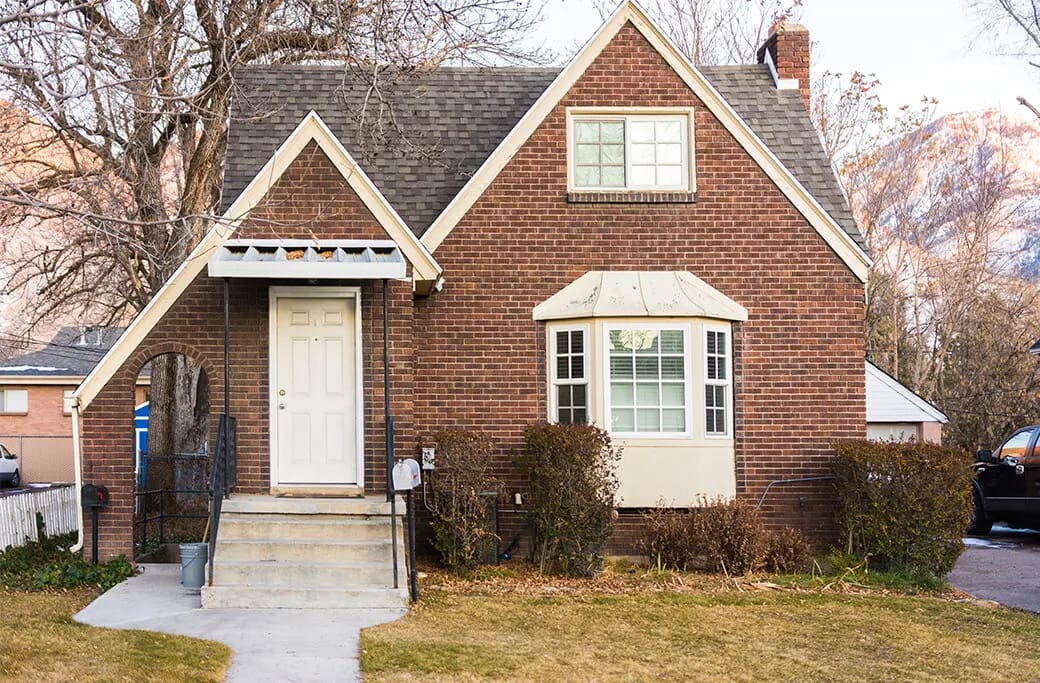
At its core, house hacking is a real estate strategy where you generate rental income from your primary residence to cover housing expenses. For college families, the parent typically purchases a home, townhome, or condo near the university. The student lives in one bedroom, while the remaining bedrooms are leased out to roommates.
The rent collected from these roommates goes directly toward the mortgage, property taxes, and insurance. Instead of handing money over to a landlord every month, you actively pay down a mortgage and build equity in an appreciating asset. Once your student graduates, you hold onto a valuable investment property that can continue generating income for years to come.
Why College Families Are Exploring House Hacking
The rental market near major universities is notoriously competitive. As enrollment numbers climb, the demand for housing pushes monthly rental prices higher and higher. This financial pressure is driving many parents to seek out more stable, profitable alternatives.
Owning a property provides immediate stability. Your student will not have to worry about fluctuating rent prices or scrambling to find an apartment each spring. Furthermore, owning real estate provides significant tax advantages, such as deducting mortgage interest and property depreciation.
Best Areas for College House Hacking in the Triangle
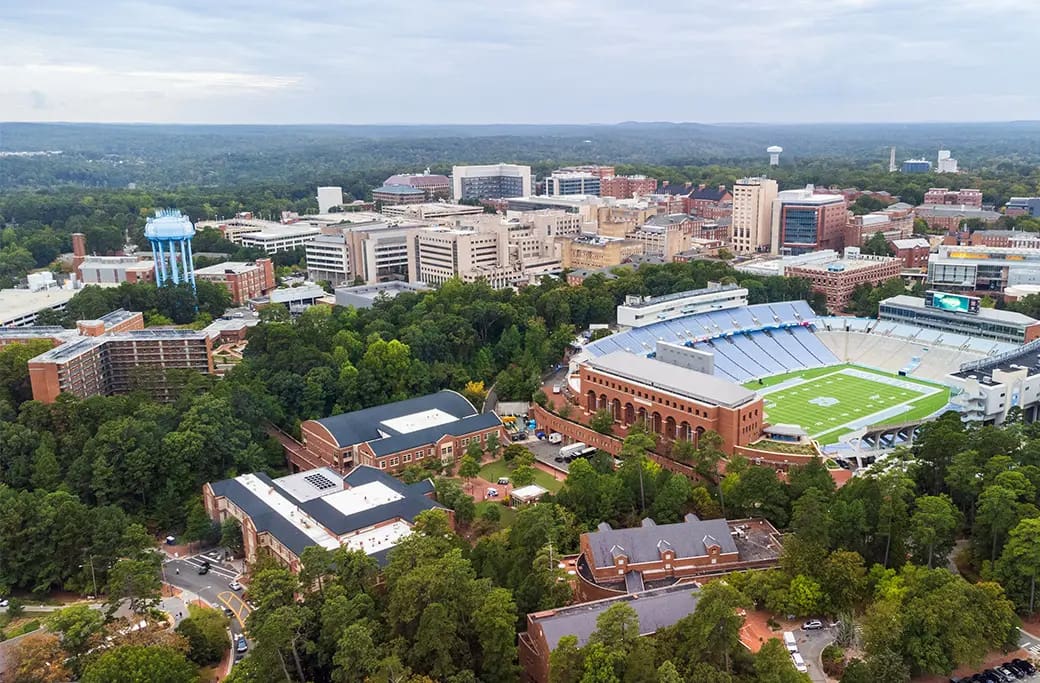
UNC Chapel Hill
Raleigh Near NC State
Raleigh features a massive student population and a diverse selection of housing options. Neighborhoods near the NC State campus offer excellent walkability and access to public transportation. Investors often choose between affordable condominiums and classic single-family homes, both of which command strong rental rates due to their proximity to the university and downtown Raleigh.
Durham Near Duke University
Durham provides a fantastic environment for investment. The areas surrounding Duke University attract a steady stream of undergraduate and graduate students looking for quality off-campus housing. Graduate students, in particular, tend to be reliable, long-term tenants. Properties here have historically shown strong appreciation, making Durham a lucrative market for parent investors.
Chapel Hill Near UNC
The student housing market in Chapel Hill is incredibly competitive, which keeps rental demand exceptionally high. Homes close to the UNC campus are highly sought after. While the initial purchase price might be higher compared to neighboring towns, the long-term resale value and consistent rental income potential make Chapel Hill a highly secure investment area.
How Renting Out Rooms Can Offset the Mortgage
When you purchase a multi-bedroom property, the financial math often tips heavily in your favor. Consider a typical three-bedroom townhome near campus. If your mortgage, taxes, and insurance total $2,000 per month, renting the two additional bedrooms for $900 each generates $1,800 in income. This drastically reduces your out-of-pocket expenses to just $200 a month.
Common setups include three-bedroom single-family homes, townhomes with minimal exterior maintenance, or campus-adjacent condos. Parents typically have the student act as the onsite property manager, handling basic duties while the parents manage the overarching lease agreements and shared utility bills.
Financial Considerations Before Buying
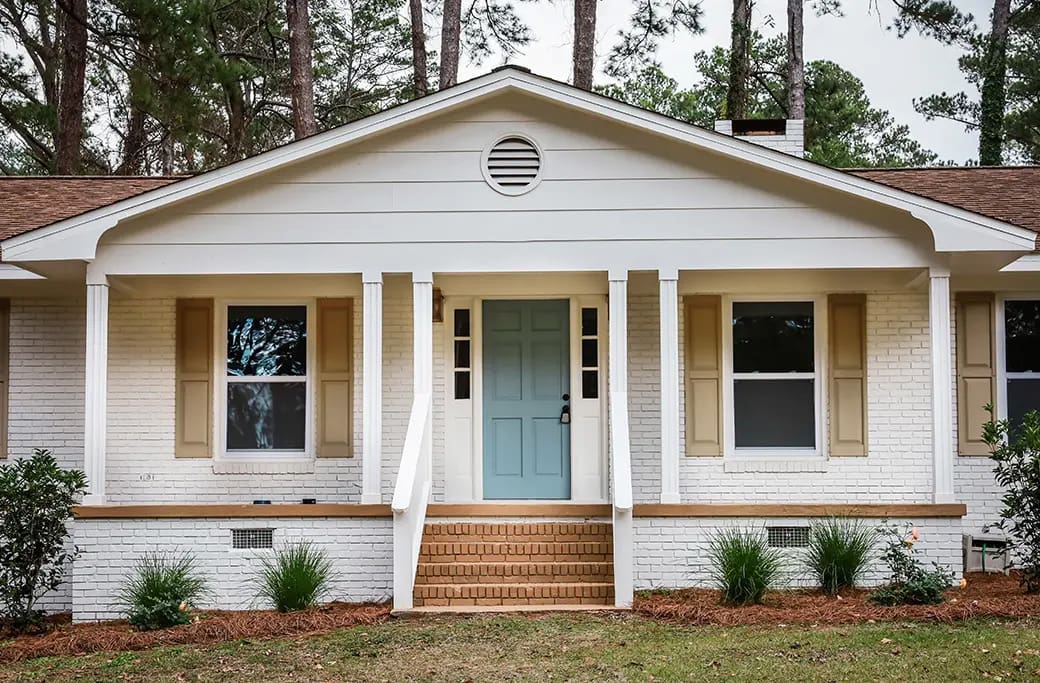
Before purchasing a property for your student, you need to evaluate your financing options. Since you will not be occupying the home yourself, the property may be classified as an investment property. This usually requires a larger down payment (often around 20% to 25%) and slightly higher interest rates.
You must also account for secondary expenses. Property taxes, homeowner’s insurance, and HOA fees will impact your monthly budget. It is highly recommended to build an emergency fund to cover routine maintenance, unexpected repairs, or periods of tenant vacancy during the summer months.
Potential Risks and Challenges
While house hacking is highly rewarding, it does require active management. You are effectively becoming a landlord, which means you will need to handle lease agreements, collect rent, and oversee property upkeep. Setting clear expectations with both your student and their roommates is essential for a harmonious living arrangement.
Additionally, buyers must carefully review local regulations. Certain neighborhoods or Homeowner Associations (HOAs) have strict rules regarding the number of unrelated adults who can live in a single dwelling. Working with an experienced realtor ensures you avoid restricted communities and find properties zoned for student rentals.
Why House Hacking Can Build Long-Term Wealth
Renting an apartment for four years guarantees a 100% loss on your money. House hacking shifts that capital into an asset. As the mortgage is paid down by roommate rent, your equity grows.
The Triangle is one of the fastest-growing regions in the country. Real estate values in Raleigh, Durham, and Chapel Hill have a strong track record of appreciation. After graduation, you have the flexibility to sell the property for a potential profit, continue renting it to new students, or allow your graduate to keep living there as they start their career.
Tips for Choosing the Right Property
Choosing the perfect college rental requires balancing livability with investment potential. Prioritize safety, commute times, and proximity to campus transit lines. Look for functional floor plans that offer equal-sized bedrooms and multiple bathrooms, as these layouts are highly desirable to student renters.
Off-street parking is another massive selling point for college students. Most importantly, work with a local realtor who understands the nuances of the Triangle housing market and can identify properties that appeal to both students and future traditional buyers.
Why Work with Emily Dinwiddie
Finding the right investment property requires local expertise. I am Emily Dinwiddie, an Expansion Partner and Realtor with The Ginther Group at Keller Williams Realty Cary. As a proud NC State alumna and a long-time resident of the Triangle area, I have a deep, personal understanding of the neighborhoods surrounding our local universities.
With over 13 years of customer service experience, I prioritize your family’s unique needs. I know how to balance your student’s lifestyle preferences with your long-term investment goals. Together, we can find a property that provides a safe home for your student and a profitable asset for your portfolio.
House Hacking for College Families in Raleigh, Durham & Chapel Hill
House hacking is a brilliant strategy to combat the rising cost of college living. By purchasing a property in Raleigh, Durham, or Chapel Hill, you empower your student with a stable living environment, while actively building your family’s long-term wealth. Instead of paying off someone else’s mortgage, you can put that money to work for yourself.
If you are ready to explore the investment opportunities available near NC State, Duke, or UNC, I am here to help. Contact Emily Dinwiddie today at 1-984-646-0510 or visit our Cary office, and let’s find the perfect property for your college family.