Durham, North Carolina, has quite the transformation from a historic tobacco and textile center into a thriving hub of medicine, technology, and culture. Known as the Bull City, Durham offers a unique blend of modern amenities and historic charm, making it a top choice for homebuyers. With close proximity to Duke University, world-class dining, and vibrant cultural attractions, Durham’s real estate market attracts families, professionals, and retirees alike.
Navigating Durham’s real estate market requires understanding the unique personality of each of our neighborhoods. From the stately fairways of Hope Valley to the welcoming front-porch culture of Trinity Park, each area offers a distinct living experience. Whether you’re seeking a historic home with modern upgrades, a luxury estate, or a home close to top universities, finding the right fit is key.
At Emily Weems, Keller Williams Realty Cary, we specialize in helping clients uncover Durham’s hidden gems. To get you started on your search, we’ve put together a guide to the most sought-after neighborhoods in Durham.
Hope Valley
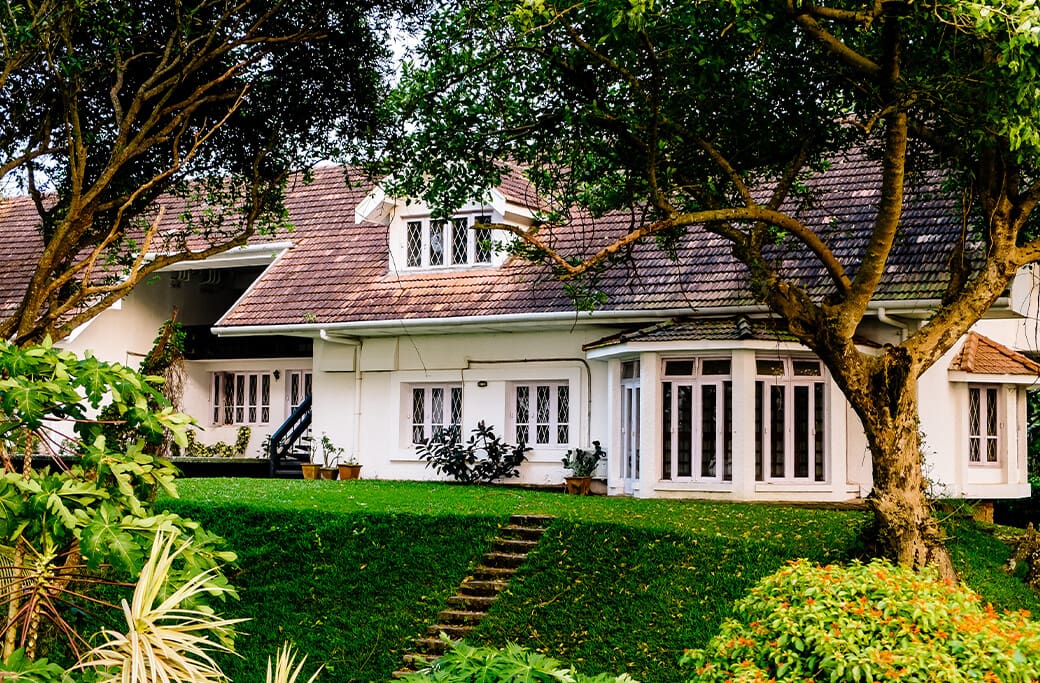
Established all the way back in 1926, Hope Valley is Durham’s go-to spot for prestige, privacy and old-school charm. It was the city’s first full-fledged country club community, built around a championship golf course designed by the legendary Donald Ross. The natural beauty of the winding roads, rolling hills, and the carefully planned layout preserve the natural landscape.
Hope Valley’s architecture is stunning. You’ll find lavish estates with Tudor, English Cottage, and Colonial Revival designs, many of them dating back to the very beginning. Los sizes are massive and manicured to perfection, offering a sense of seclusion you just don’t find in your run-of-the-mill developments.
At its heart, the Hope Valley Country Club has been a social hub for a century, with tennis, swimming, and dining facilities that foster that close-knit community vibe. For homebuyers looking for grandeur and history, Hope Valley is the gold standard.
Forest Hills
Developed back in the 1920s when the automobile was changing America, Forest Hills was built with one thing in mind: landscape architecture. This place has a certain magic to it with curvilinear streets, mature tree canopies, and generous setbacks. It has a park-like atmosphere that’s just a stone’s throw from downtown.
Forest Hills Park is the real center of things here. Originally built on the site of a former golf course and clubhouse, the park now offers green spaces, a playground and walking tra. It is a real draw for anyone who loves getting out and about in the fresh air.
Real estate in Forest Hills is a real mixed bag, but that’s what makes it so desirable. You’ll find grand Colonial Revivals and charming English Cottages, some of which are tucked away in the wooded lots. It’s got that perfect balance of space and proximity to the city center that so many homebuyers are looking for.
Duke Forest
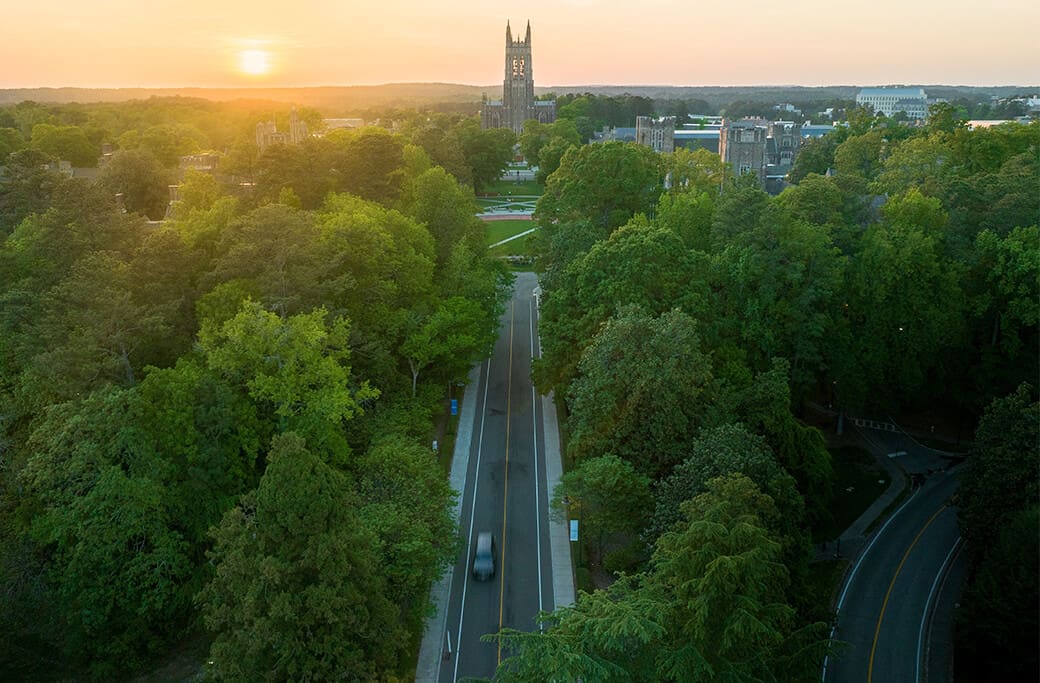
If you’re after some serious tranquility and a strong connection to nature, then Duke Forest is your spot. It was originally built in the late 1920s and early 1930s to attract faculty to the nearby Duke University. Now it’s one of the most highly educated and desirable zip codes in North Carolina.
The place is heavily wooded, and that’s not just a phrase. It’s the real deal. Winding streets, quiet and peaceful, often missing the through-traffic found in other parts of the city. And the architecture? It’s a real trip through time. You’ll find everything from 1930s Period Revival styles to some of Durham’s best mid-century modern housing, and that’s just a small sample of what’s on offer.
Residents here love the peace and quiet and the super-convenient access to the university’s facilities. It’s a neighborhood where you can keep your private life private, yet have that strong sense of community that comes from living among academics and professionals.
Trinity Park
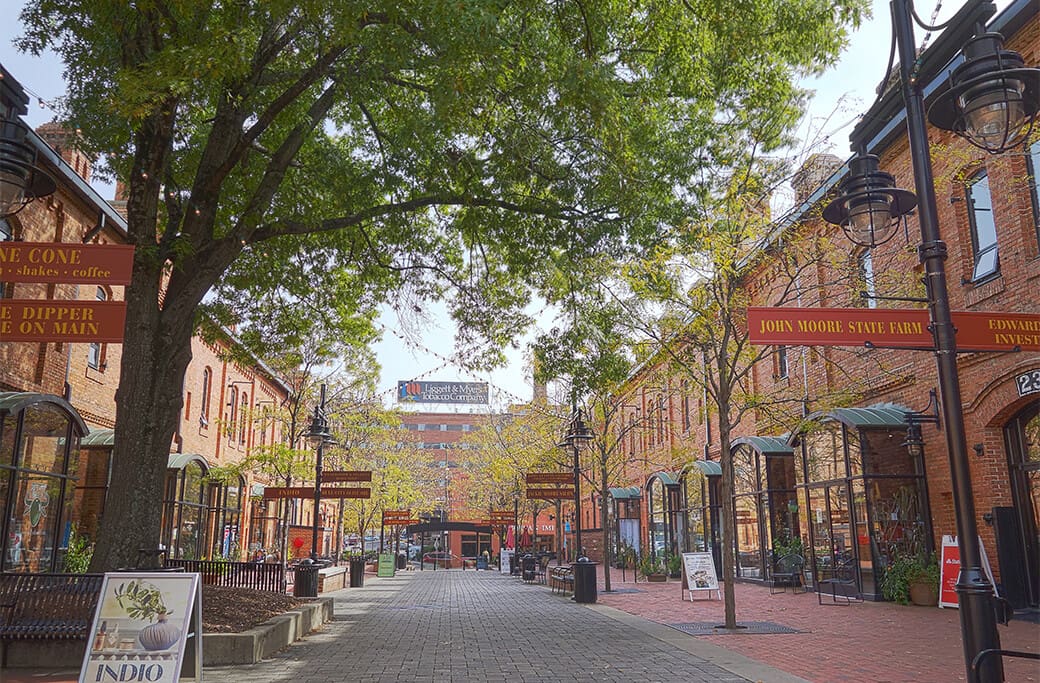
Brightleaf Square complex near downtown Durham
Trinity Park is one of Durham’s oldest and most established neighborhoods. It spans the area between Duke University’s East Campus and downtown Durham. It started taking shape back in the late 1800s and really took off after the trolley line was installed, becoming a fashionable spot for professors and business leaders to call home.
The real draw here is walkability. Residents can stroll to the vibrant Ninth Street district, Brightleaf Square, or the university grounds with ease. The streets are lined with a canopy of oaks that creates a picture-perfect setting for the neighborhood’s impressive architecture.
Homebuyers in Trinity Park will find a stunning array of Victorian and Queen Anne-style homes with those gorgeous wraparound porches and intricate detailing. The community is anchored by “The Park” – a dedicated green space with a gazebo and playground that hosts annual festivals and concerts. It’s the perfect spot for those who want a historic home with a lively, pedestrian-friendly lifestyle.
Morehead Hill
Morehead Hill, often touted as North Carolina’s first real suburb, is a quiet little gem of a neighborhood sitting on a bluff just a stone’s throw south of downtown Durham. This neighborhood has a special history dating back to the late 19th and early 20th centuries, when the early industrial titans of Durham (the Watts and Morehead families among them) built their homes here.
The topography of the area is gorgeous with panoramic views all around, yet somehow it feels like you’re a world away from the hustle-bustle of the city center. However, you can stroll down to the American Tobacco Campus or grab a bite to eat in downtown Durham in a heartbeat. The houses are magnificent, featuring elegant, high-style historic residences that reflect the wealth of Durham’s boom years.
Morehead Hill gets it right where it counts for buyers who crave a sophisticated urban lifestyle. It’s the kind of place where you can get your architectural fix, from the grandiose Queen Anne to the elegant Colonial Revival, all while being right in the heart of the city’s action. Plus, the neighborhood has seen some serious revitalization over the years, so now it’s one of Durham’s “best-kept secrets”.
Rockwood
Over on the southwest side of downtown, you’ll find Rockwood, a quirky little neighborhood with a real charm all its own, built around the automobile-centric design and mid-century expansion. Unlike the more traditional trolley neighborhoods of Durham, Rockwood has a load of ranch-style homes and mid-century designs, on big wooded lots to boot.
Rockwood has gained a reputation as a destination for foodies and antique lovers. The commercial strips nearby are home to some of Durham’s most famous dining establishments, including Nana’s and Thai Cafe. If you’re looking for some vintage shopping action, there’s no shortage of antique stores and the legendary Scrap Exchange just a stone’s throw away.
This is the place to be if you want a bit of suburban peace with your eclectic urban amenities. Rockwood has a refined, yet relaxed vibe with Duke University and Durham-Chapel Hill Boulevard just a short hop away.
Old West Durham
Old West Durham gives you a real glimpse into Durham’s industrious past – a mill village that’s long since been transformed into a trendy, vibrant community with a historic “front porch” vibe that’s hard to beat. It’s all anchored by the Ninth Street Merchant District, which has been serving the community for over a century.
The homes here are a little smaller, but just as charming. Think bungalows and cottages that used to be workforce housing but now are stylish residences after a bit of renovation. It has an energetic and diverse vibe, with a mix of long-time residents, students and young professionals all calling this place home.
Living in Old West Durham means having great coffee, bookstores, and restaurants right on your doorstep. Additionally, the the community’s so tight-knit, we’d be surprised if you don’t know your neighbors. This neighborhood sits amidst the convenience of being in a walkable urban environment.
Watts Hospital-Hillandale
Watts-Hillandale’s a family-friendly neighborhood with a real history behind it is defined by wide avenues and a strong community spirit. It all centers around the historic Watts Hospital (now the North Carolina School of Science and Mathematics), which features some stunning Spanish Mission-style architecture.
Club Boulevard is the heart of the neighborhood, made famous by its big median and canopy of willow oaks. The architectural mix is pretty interesting. You have Craftsman bungalows and Colonial Revivals, many of which have been lovingly preserved. Oval Park is the community’s living room, a spot where you can hang out and play with the locals.
This is a neighborhood that’s highly sought after for its neighborhood pride and walkability. It’s all just a short stroll to the amenities of Ninth Street and the natural beauty of the Hillandale Golf Course.
Trinity Heights
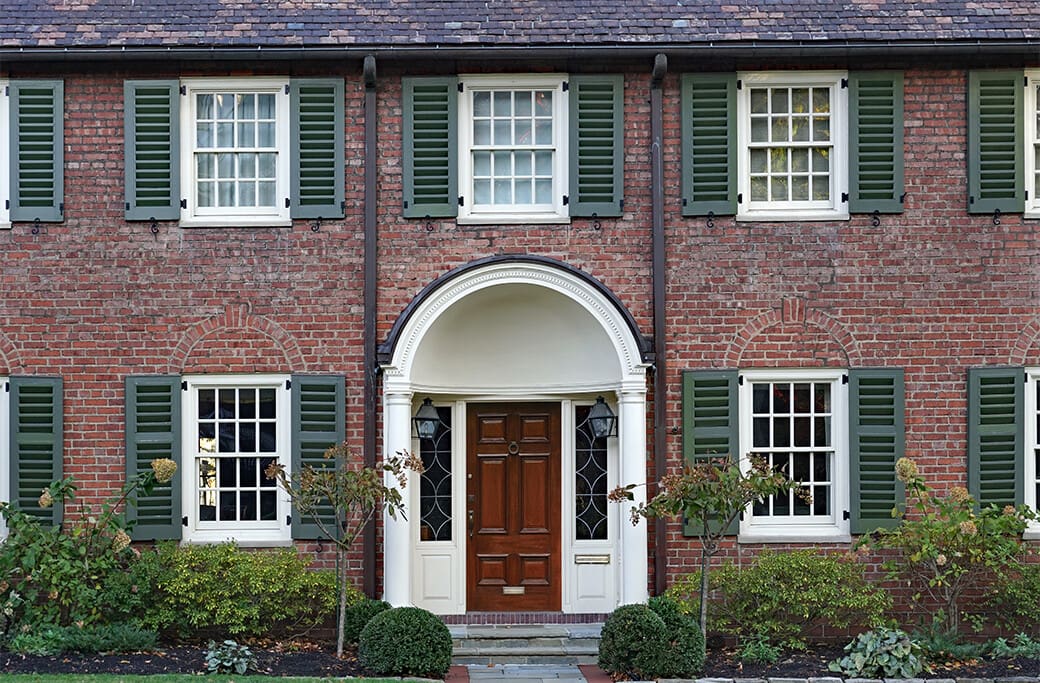
Trinity Heights is a small, upscale neighborhood located just north of Duke’s East Campus. It’s name likely comes from its elevation “above” the college and the area was platted back in the 1890s, anticipating the campus’s growth.
The streets are lined with tall hardwoods, shading a load of bungalows and two-story frame houses. Due to its location, it’s long been popular with faculty and university affiliates, so it has a real scholarly and quiet atmosphere.
You can spot some unique architectural gems here, think T-shaped homes and Spanish Mission-style residences. It’s a compact, walkable neighborhood that offers intimate charm and instant access to Duke’s cultural and academic events.
Exploring Durham Neighborhoods
When it comes to finding the right neighborhood in Durham, it’s all about matching your lifestyle to the community’s character. Whether you’re after the golf course views of Hope Valley, the urban energy of Old West Durham, or the historic elegance of Morehead Hill, this city has a neighborhood that’s just right for you.
Navigating these high-end markets takes local expertise. At Emily Weems with Keller Williams Realty Cary, we’re dedicated to helping you explore these neighborhoods to find the home that fits your vision. Get in touch with us today to start your journey toward owning a piece of Durham’s history.