
The cost of living in Raleigh, NC is one of the biggest factors people consider when moving to the area. As the capital of North Carolina and part of the fast-growing Research Triangle alongside Durham and Chapel Hill, Raleigh continues to attract new residents with its strong job market, expanding tech industry, excellent universities, and high quality of life.
Many people relocating from higher-cost states discover that Raleigh offers a balance of career opportunities, livability, and relatively affordable housing compared to larger metropolitan areas. However, like many popular cities, growth has pushed some expenses (especially housing) higher in recent years.
In this guide, Emily Weems, Realtor®, breaks down the real costs of living in Raleigh, including housing, utilities, transportation, groceries, healthcare, and the income typically needed to live comfortably in the area.
Key Takeaways: Cost of Living in Raleigh
-
The cost of living in Raleigh, NC is typically around the national average or slightly lower, depending on housing choices and lifestyle.
-
Housing is the largest expense for most residents. Rent for a one-bedroom apartment commonly ranges from $1,300–$1,550 per month, while median home prices are often in the mid-$400,000s.
-
Utilities and transportation costs in Raleigh are often slightly lower than the national average.
-
Groceries and healthcare can be comparable to or slightly higher than the national average depending on spending habits.
-
A single adult may need roughly $45,000–$50,000 annually to live comfortably, while two working adults without children often need $60,000 or more combined income.
Living in Raleigh, NC

Raleigh has become one of the fastest-growing cities in the Southeast, drawing new residents from across the country. Its location within the Research Triangle region (home to major universities, research institutions, and a rapidly expanding tech sector) has created strong economic growth and steady population increases.
As more people move to the area, housing demand has increased, which has gradually pushed home prices and rental rates upward. At the same time, Raleigh continues to offer a lower overall cost of living than many major cities on the East and West Coasts, making it an attractive destination for professionals, families, and retirees alike.
When evaluating the cost of living in Raleigh, it’s important to look beyond just housing. Everyday expenses such as utilities, groceries, transportation, healthcare, childcare, and taxes all play a role in determining how affordable life in the city feels.
As a local real estate professional with Keller Williams Realty, Emily Weems often advises clients that where you choose to live within the Raleigh area can significantly impact your overall cost of living. Neighborhood selection, proximity to downtown, commute times, and access to amenities all influence both home prices and day-to-day expenses.
Housing Costs in Raleigh (Buying vs. Renting)
Housing costs are the largest single expense for most people in Raleigh, and they’ve gone up significantly since 2020 – even though they’re still pretty reasonable compared to cities like Boston or San Francisco.
Buying a Home:
-
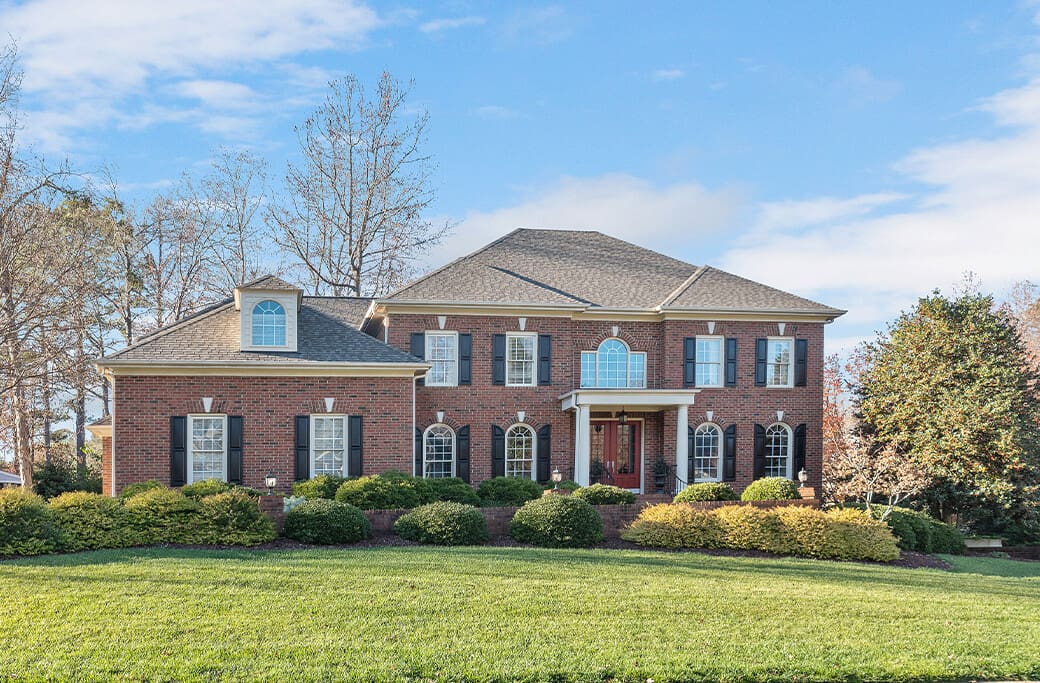
- Median home value in Raleigh proper: mid-$400,000s (so $440K-$480K depending on the neighborhood)
- Starter homes in the outlying areas: low to mid-$300,000s
- New build homes in up-and-coming suburbs like Cary, Apex, or Wake Forest: $500K-$700K+
If you’re looking at a $450,000 home with 20% down at an interest rate of 6%, expect your P&I on the mortgage to be around $2,700/month. Add property taxes and insurance on top, and you’re looking at around $2,000-$3,000 a month in total expenses.
Renting:
-
- 1-bedroom apartments: $1300-$1550 a month (newer Class A buildings in downtown/North Hills at the higher end)
- 2-bedroom apartments: $1600-$2100 a month
- Single-family rentals in Apex, Holly Springs, or Fuquay-Varina: low $2,000s to $2,800+
Keep in mind that prices vary a lot depending on where you are in Raleigh. Inside the Beltline and North Hills/Midtown are pricier per square foot, while areas like Clayton, Fuquay-Varina, and parts of Johnston County might be more affordable. Inventory is pretty tight in the $350K-$500K range, so serious buyers should be pre-approved and ready to make an offer.
Utilities and Monthly Household Bills
Utilities in Raleigh tend to run about 10% below the national average, but be aware that the summer months are pretty hot, which means you’ll be using a lot of air conditioning in July and August.
Typical monthly expenses for a 1,500-2,000 sq ft home:
-
- Electricity: $160-$230 a month (summer peaks higher)
- Water, sewer, and trash: $60-$120 a month
- Internet: $60-$90 a month
- Cell phone plans: $100-$200 a month for a family plan
Some of the Wake County towns bundle trash and recycling with your utility bills, while others charge you separately. New build homes in suburbs like Holly Springs and Apex tend to be a lot more energy-efficient, which can help offset the longer commute with lower energy bills.
Food, Groceries, and Dining Out

State Farmer’s Market in Raleigh North Carolina
Grocery prices in Raleigh are roughly on par with the national average, with some items running a bit higher because of the post-2020 price increase.
Sample grocery costs:
-
- Loaf of bread: $3.50-$4.50
- Gallon of milk: $4.50-$4.90
- Dozen eggs: $3.00-$4.00
- Ground beef: $5.50-$6.00 a pound
Shopping options range from Harris Teeter to Publix and Food Lion to keep costs low, along with budget-friendly Aldi and Lidl. Let’s not forget local farmers’ markets in Raleigh, Cary and Apex where you can find seasonal produce which can vary based on what you buy.
Dining out costs:
-
- Quick-service meals run anywhere from $10 to $15 per person. Hard to beat that, right?
- You’re looking at sit-down restaurants in North Hills, downtown for around $20 to $35 per entrée.
- A mid-range dinner for two will cost around $70 to $90 with tip and no alcohol.
Frequent dining out in popular areas like Glenwood South will seriously blow up your monthly food budget versus cooking at home.
Transportation Costs in Raleigh
Most Raleigh residents rely on cars, although there is local bus service (GoRaleigh) and expanding greenways offering some alternative options.
Key transportation figures:
-
- Gas prices in the Raleigh area typically range from about $2.80 to $3.30 per gallon, though prices can fluctuate throughout the year depending on seasonal demand and broader energy market trends.
- A single GoRaleigh ride will cost you $1.25 for adults.
- A monthly bus pass is roughly $40 for unlimited rides
- Auto insurance for a full coverage vehicle in Wake County typically runs around $1,800 to $2,100 per year.
- Routine maintenance is around $0.08 to $0.12 a mile
If you’re commuting from suburbs like Clayton or Fuquay-Varina to downtown, you can expect drive times during rush hour to be anywhere from 25 to 40 minutes. However, Raleigh’s average commute is a pretty reasonable 21 minutes – shorter than a lot of large cities, which should help with fuel and vehicle wear and tear in the long run.
Healthcare, Childcare, and Other Everyday Expenses
Healthcare and childcare often come as a big shock to families who are relocating to the area. Raleigh offers some top-notch hospital systems, including UNC, Duke and WakeMed, but prices can vary depending on insurance and network.
Healthcare costs:
-
- A primary care visit with insurance copay will run you around $20 to $40.
- Direct Primary Care memberships can be anywhere from $55 to $99 a month.
- A dental cleaning will set you back $120 to $150
- Specialist visits can vary widely depending on your insurance – $150 to $300 or more
Childcare costs in Wake County:
-
- Full-time daycare for infants and toddlers can be upwards of $1,200 to $1,700 a month
- Summer camps can cost $125 to $800 a week. Some of the fancy ones can reach as high as $1,000 a week
Other recurring expenses:
-
- Gym memberships are typically $30 to $80 a month
- Pet care is around $75 to $150 a year for vet checkups and $30 to $60 a night for boarding
- Entertainment – we’re talking Hurricanes NHL tickets, concerts at the PNC Arena, theater…
From our experience helping families relocate to the area, budgeting realistically for childcare and healthcare services often ends up being a major factor in determining which neighborhood and price point makes sense for a home purchase.
Income, Taxes, and How Much You Need to Live Comfortably
Raleigh incomes are generally higher than the North Carolina state average, thanks in large part to tech, biotech, university and government jobs. Median household income sits around $85,000 to $90,000, though individual experiences will vary wildly depending on industry and education.
Comfortable income targets:
-
- Single adult, no kids: around $45,000 to $50,000 post-tax
- Two adults, no kids: around $60,000 to $70,000 combined
Tax considerations:
-
- NC has a flat income tax of 4.5% (2025), declining to 4.25% in 2026
- Wake County sales tax is roughly 7.25%
- Property tax rate is approximately 0.78% of assessed value
For example, a $450,000 home generates roughly $3,500 to $3,800 a year in property taxes – pretty modest compared to high-cost states. There’s no separate state estate tax, which can be a real plus for retirees moving from the Northeast.
We encourage readers to compare their current after-tax pay to these Raleigh estimates and get in touch with us at Keller Williams Realty Cary for a custom housing and neighborhood budget scenario.
Cost of Living in Raleigh, NC: What Homebuyers Need to Know
Ultimately, Raleigh offers a compelling balance of high quality of life and affordability that continues to attract newcomers from across the country. While housing costs have risen, the city remains more accessible than major coastal hubs, and expenses like utilities and transportation are often lower than the national average.
The key to making Raleigh feel affordable lies in careful planning. For a single person, an annual post-tax income of around $45,000–$50,000 provides a comfortable lifestyle. However, your largest expense will almost certainly be housing, making your choice of neighborhood and whether to rent or buy the most important financial decision.
If you’re considering a move and want to understand how these numbers translate to your specific situation, it’s best to get personalized advice. At Emily Weems, Realtor with Keller Williams Realty Cary, we specialize in helping individuals and families find a home that aligns with their budget and lifestyle goals. Contact us today for a personalized consultation to explore your options in the Raleigh area.