When people think of Raleigh these days, their minds tend to zoom in on the bustling tech scene, the Research Triangle Park, or the trendy food scene. But if you scratch just below that surface, you’ll see that this modern city is also a place that’s deeply rooted in the past. Raleigh isn’t just growing; it’s evolving, on a foundation that was laid back centuries ago.
For those of us at Emily Weems, Realtor, the magic of living in Raleigh NC isn’t all about new construction. We love the old stuff! The creak of original hardwood floors, the shadow of those huge oak trees that pre-date the city itself, and the quirky architectural details you just can’t find in some cookie-cutter development.
Raleigh is one of the South’s oldest, and most interesting, capital cities. Founded back in 1792, Raleigh’s transformation from a planned government center to a vibrant cultural hub has had a lasting impact on the neighborhoods we know and love today. Whether you’re a history buff or just someone looking for a home with a bit of character, getting to know Raleigh’s past is the key to finding your perfect future home.
Raleigh’s Roots as a Planned Capital City
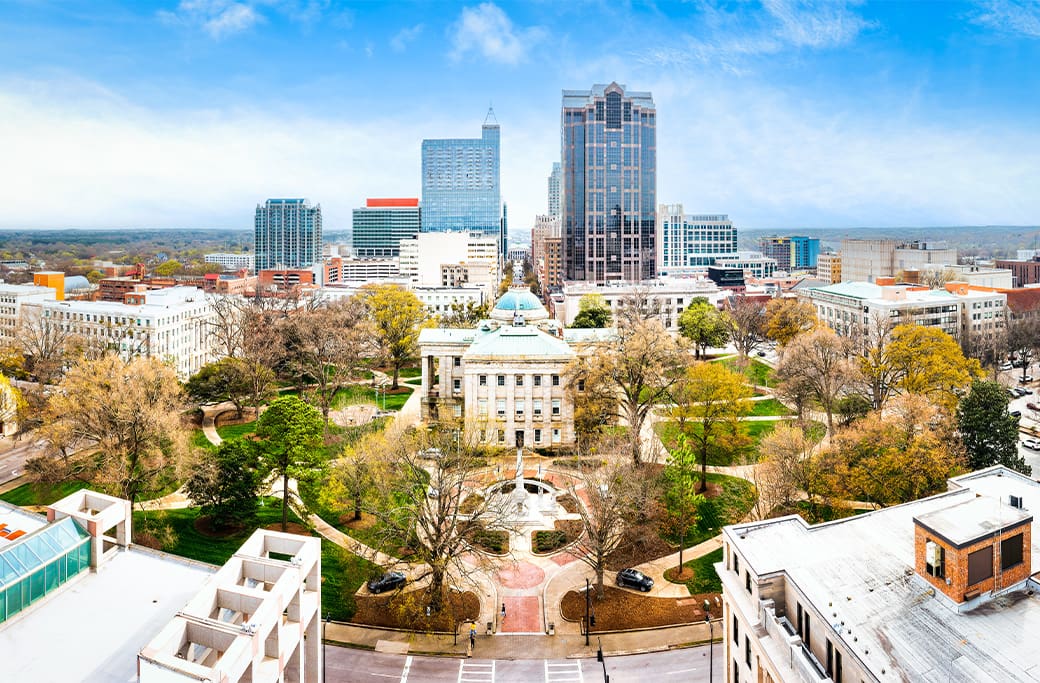
What makes Raleigh different, is that it was never just a city that grew up organically, from a junction or a trading post. From day one, Raleigh was designed to be the capital of North Carolina and that early decision had a lasting impact on the city’s layout and real estate landscape.
Capital City Designed To Last
The city was originally laid out in a grid pattern, with the State Capitol right in the middle, surrounded by four public squares (Moore, Nash, Burke, and Caswell). That 18th-century urban design is the reason downtown Raleigh is so walkable and easy to navigate, even today. When you buy a home in the city center, you’re benefiting from a design philosophy that put accessibility and public spaces above everything else, over 200 years ago.
Powerhouses That Shaped Raleigh
The presence of the North Carolina State Capitol, plus institutions like North Carolina State University, helped draw people (and housing) to the area. As the government workforce and student populations grew, homes began to spring up all around. This created distinct pockets of residential development that have matured into the super desirable historic districts we see today. The stability of these anchor institutions has also helped protect real estate values, making Raleigh historic homes a solid investment for generations.
Neighborhoods That Define Raleigh
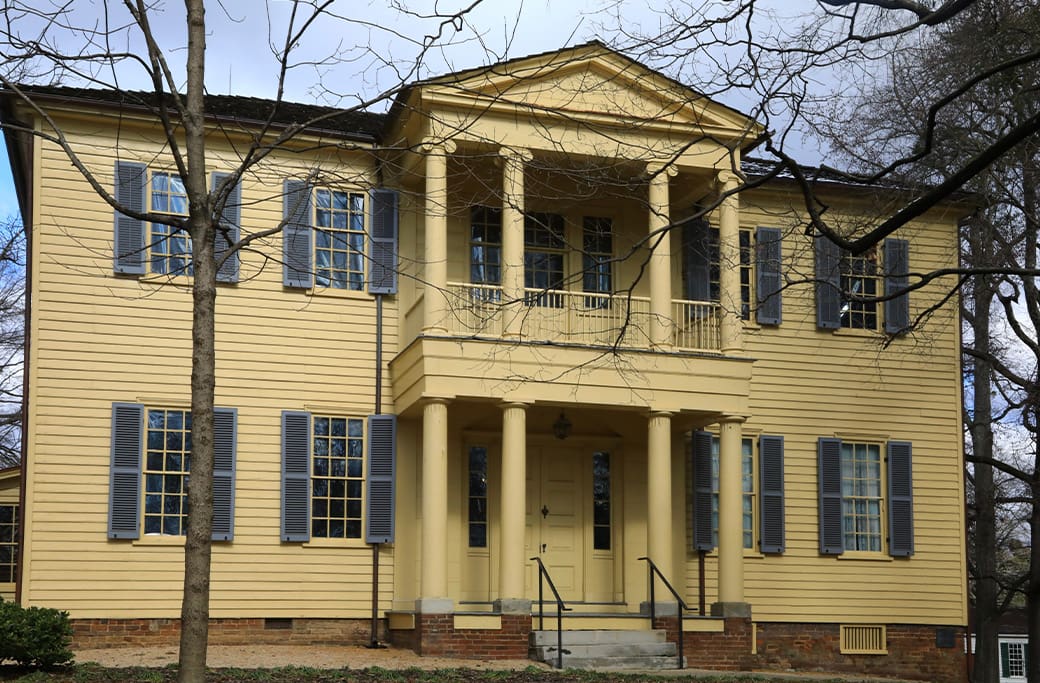
The Mordecai House, birthplace of President Andrew Johnson, now stands as a public history museum.
Raleigh’s history comes alive in its neighborhoods with each one capturing a specific era of the city’s growth, and offering a unique vibe for potential homebuyers.
Oakwood
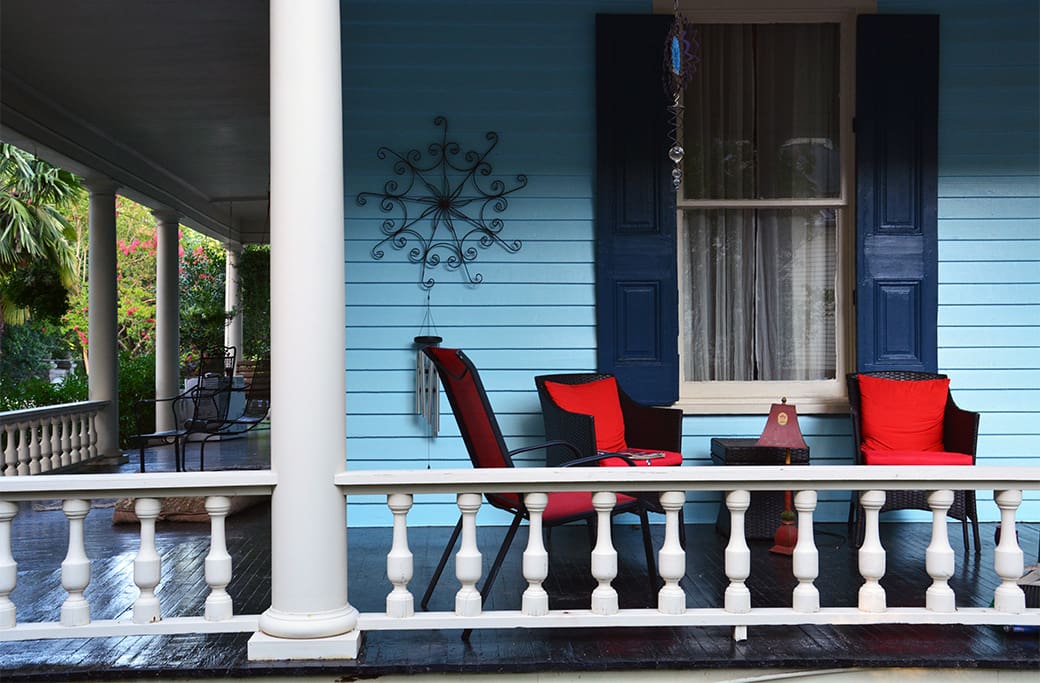
Want to step into the pages of a movie? Head to Historic Oakwood. Developed in the 19th century, this neighborhood is a collection of Victorian-era architecture. It’s walkable, super tight-knit, and features homes with all sorts of quirky detailing, wrap-around porches, and colors to die for. It’s arguably the most sought-after historic address in the city.
Boylan Heights
Sitting just west of downtown, Boylan Heights offers a slightly different feel. Developed in the early 20th century, the terrain here is hilly, giving you some fantastic views of the downtown skyline. The architecture shifts to Colonial Revivals and transitional bungalows. It’s a favorite for those who want historic charm with a slightly more suburban, park-like feel while still being super urban.
Mordecai & Five Points
The Mordecai neighborhood, with its own historic park and the Andrew Johnson Birthplace, offers a mix of history and accessibility. As you head towards Five Points, the vibe shifts to the 1920s and 30s. Here you get a great mix of updated historic cottages and bigger homes. These areas are perfect for buyers who want that old Raleigh feel but need easy access to the beltline and downtown.
Architectural Styles You’ll Find in Raleigh
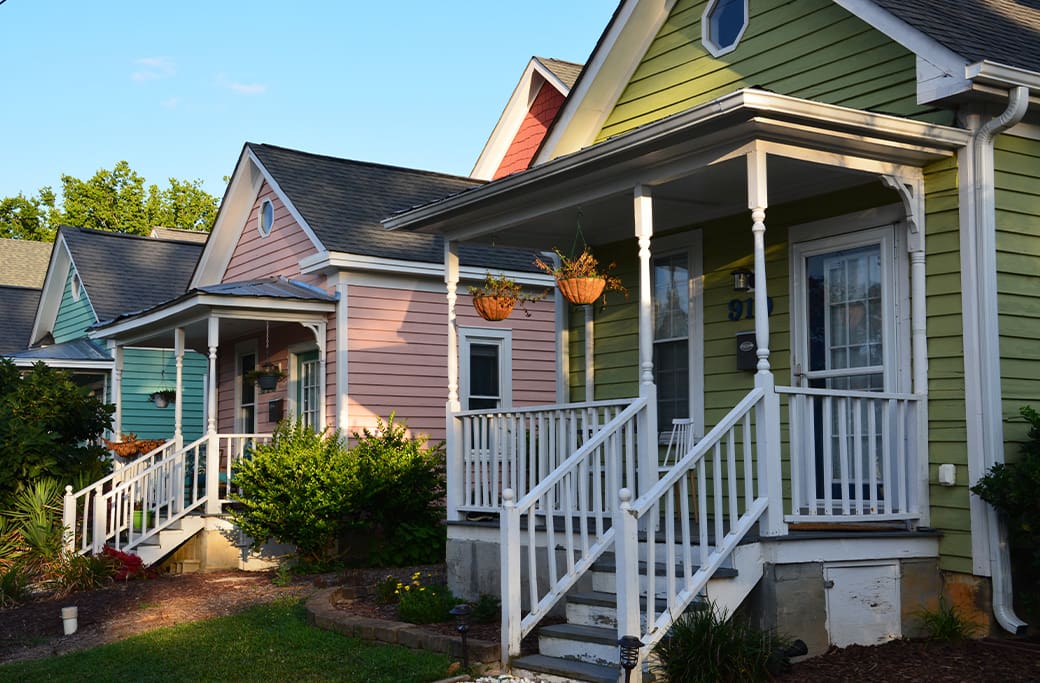
Raleigh’s housing stock is a timeline of American architecture. Understanding these styles can really help you identify what you’re looking for when you’re house hunting.
Victorian & Queen Anne (Late 1800s)
You’ll find these homes mostly in Oakwood, and they’re all about asymmetry, steep rooflines, turrets and all that ‘gingerbread’ trim. They’re a real maintenance challenge, but offer a unique charm that’s hard to beat.
Colonial Revival
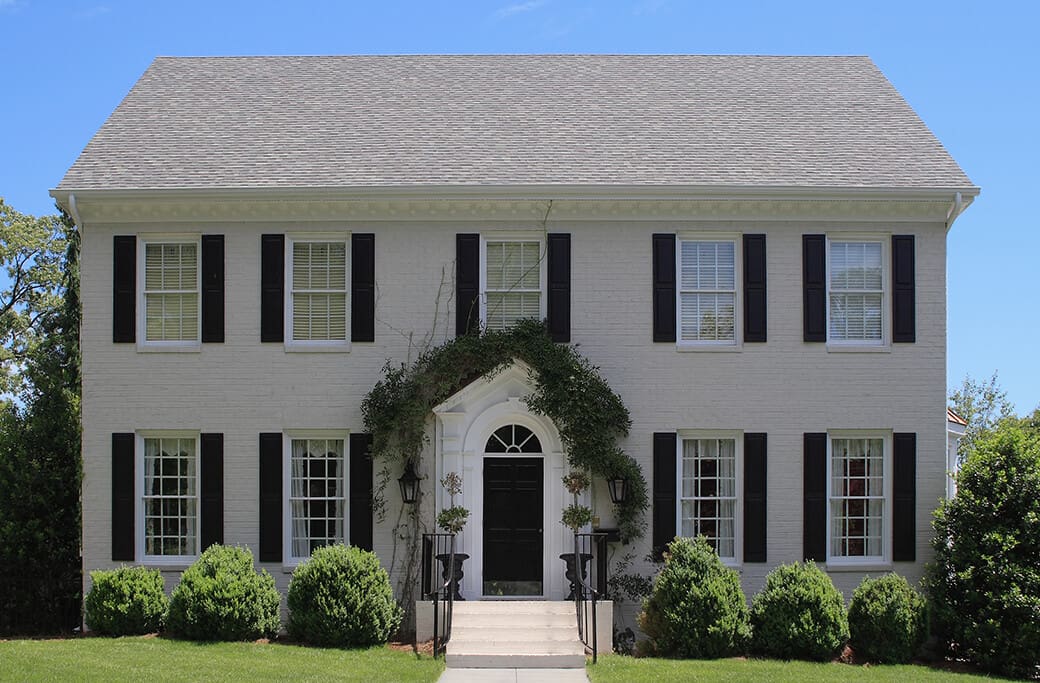
As Raleigh grew in the early 20th century, the Colonial Revival style became the go-to choice. These homes are symmetrical, dignified, and often feature brick facades and white columns. They’re timeless family homes often found in Hayes Barton and Boylan Heights.
Craftsman Bungalows
These homes are all the rage with young couples and first-time buyers and can be found in neighborhoods like Glenwood-Brooklyn. Low-pitched roofs, wide front porches with tapered columns, and super-efficient floor plans make these homes feel like a home from home.
Mid-Century Ranch
Post-WWII Raleigh just about exploded in terms of growth. The Ranch style, a low-slung, open-plan affair that lets the outdoors right into a home, became the default in neighborhoods a little way away from the central business district. These are now seeing a huge resurgence in popularity, largely because they offer such great renovation potential.
Raleigh’s Cultural Evolution & Real Estate
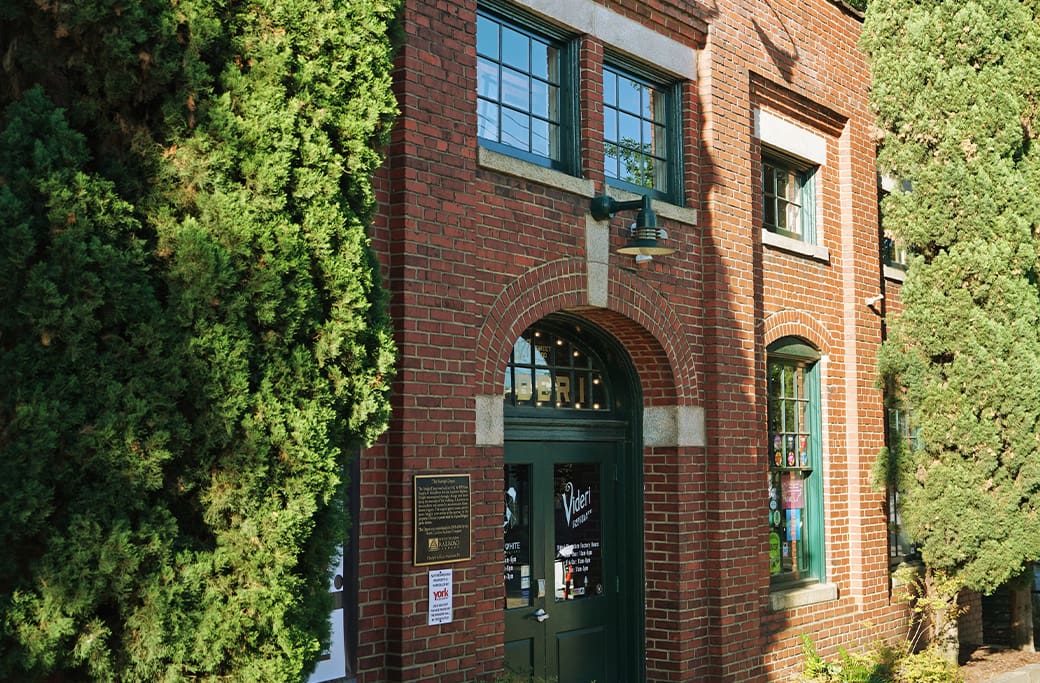
Videri Chocolate Shop located in Raleigh’s warehouse district!
Raleigh NC’s history is all about how the culture has evolved, and how that’s shaped the sorts of places people want to live in.
Arts & Creative Revitalisation
Taking the Warehouse District from a bunch of old warehouses to a thriving hub of museums, tech offices and art galleries has driven up demand for nearby homes. People these days are looking for “industrial chic” condos and converted lofts that pay a nod to the area’s gritty past.
Food & Local Business Scene
Places like City Market, that have been around for years, have managed to stay vital thanks to independent restaurants and shop owners. Being near cultural landmarks – such as the State Farmers Market or the historic Moore Square – adds a bit of a premium to the value of a home. People aren’t just buying a house; they’re buying a lifestyle that includes strolling down to get some local produce or checking out a show at a restored theatre.
Why Buyers Are Drawn to Historic Raleigh Homes
In a market bursting with new builds, why do buyers falls over themselves to buy 100-year-old homes?
-
- Character beats uniformity: High ceilings, solid wood doors and wavy glass windows. You just can’t replicate that kind of soul with drywall.
- Mature flora is a big selling point: Historic neighborhoods are lined with monster, old willow oaks and crepe myrtles that provide great shade and beauty, which you’d have to wait decades for in a new subdivision.
- Community spirit is a big factor: These neighborhoods often have strong community associations, garden clubs and annual porch crawls.
Buyer Scenarios:
-
- The Young Professional: These days is all about the bungalows of Five Points and its proximity to breweries.
- The Relocating Family: Typically falls in love with the sidewalks and front-porch culture of Oakwood where your neighbors actually know one another.
What to Know Before Buying a Historic Home
Buying a historic home is an emotional experience, but at the end of the day, it’s all about practicality too. As a local real estate team, at Emily Weems, Realtor we advise clients to keep their eyes peeled for a few specifics.
-
- Historic district regulations: If you buy in a designated historic district (like Oakwood), exterior changes often require a Certificate of Appropriateness (COA). This helps preserve value but puts some limits on just what you can do to the facade.
- The inspection is super important: You need an inspector who actually knows old houses. Knob-and-tube wiring, lead paint and settling foundations are all pretty common. They aren’t deal-breakers, but they are certainly points of negotiation.
- Tax incentives: North Carolina has pretty good tax credits for historic preservation. If you plan on renovating a qualifying historic property, you could save yourself some serious cash on state taxes.
Future of Raleigh’s Historic Market
The inventory of historic homes is finite and as Raleigh continues to grow as a tech hub, demand for these unique properties is only going to increase. We’re now seeing this trend of “sensitive infill” where builders are constructing modern homes in historic districts that respect the scale and style of the older neighbors.
That balance between preservation and growth ensures that living in Raleigh NC will remain a pretty unique experience. The history of the city protects the value of the home, while the modern economy keeps the neighborhood vibrant.
Raleigh Historic Homes & Neighborhood Guide
Raleigh is a city that honors its roots while always looking firmly to the future. Whether you’re drawn to the intricate Victorian charm of Oakwood, the skyline views of Boylan Heights, or the mid-century cool of the suburbs, there’s a piece of history here just waiting for you.
Navigating the historic market can be a bit of a minefield. You need a guide who knows the difference between “charming character” and a “money pit”. Our team at Emily Weems, Realtor are passionate about these neighborhoods and dedicated to helping you find a home that connects Raleigh’s rich history with your own future.
Want to own a piece of Raleigh’s history? Contact us today and we’ll get started on your search.